What the cutting nozzle does
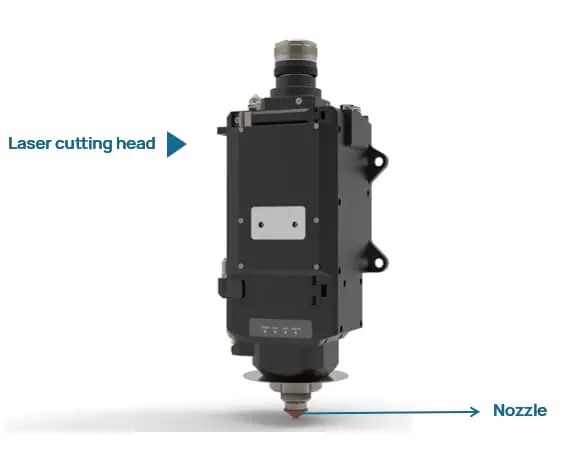
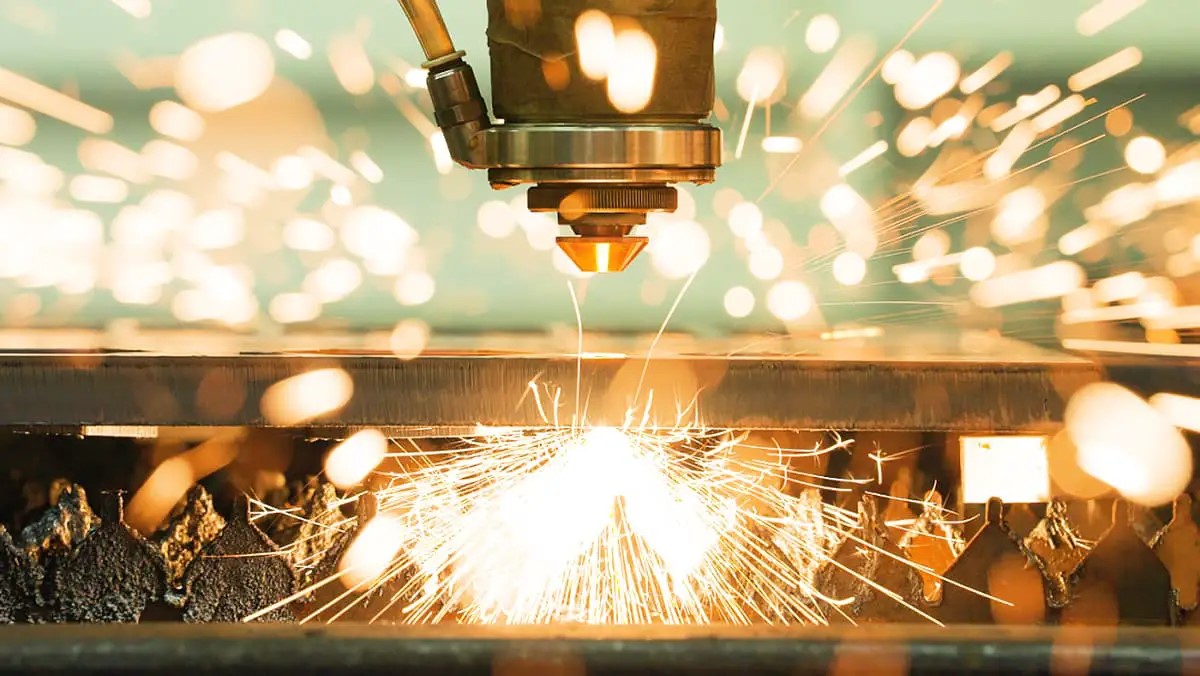
The nozzle guides assist gas toward the cut and helps protect the cutting head from process debris. Its design and condition influence gas flow, melt removal and cut consistency. The nozzle is only one part of the process; laser settings, focus, material, height and gas supply also matter.
Single-layer and double-layer designs
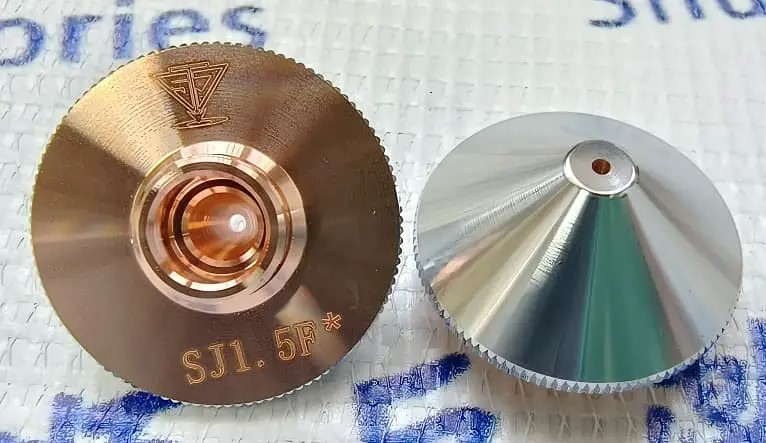
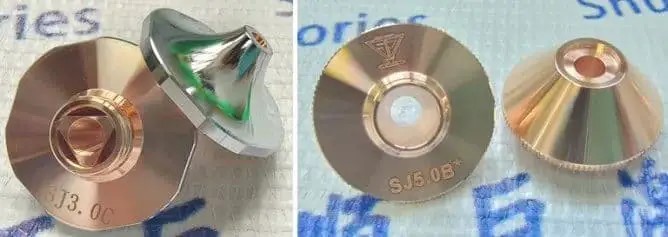
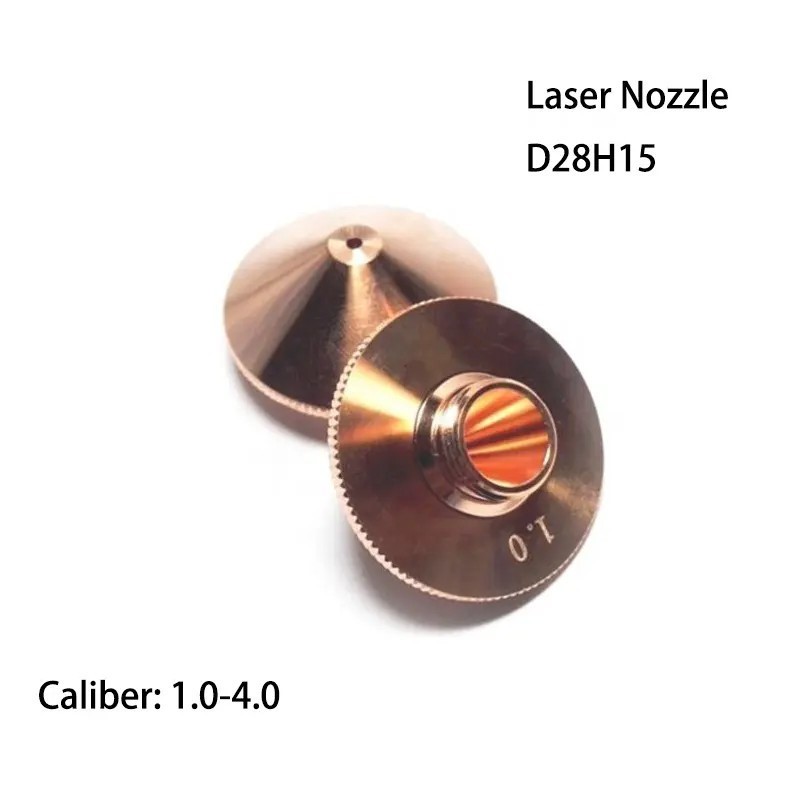
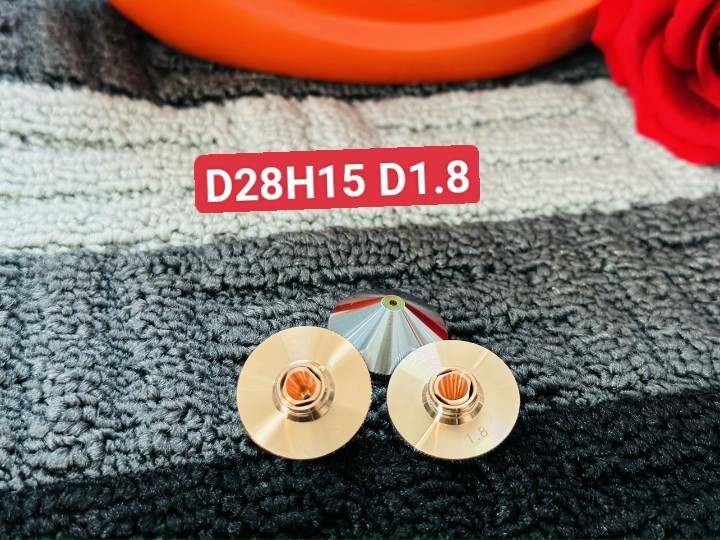
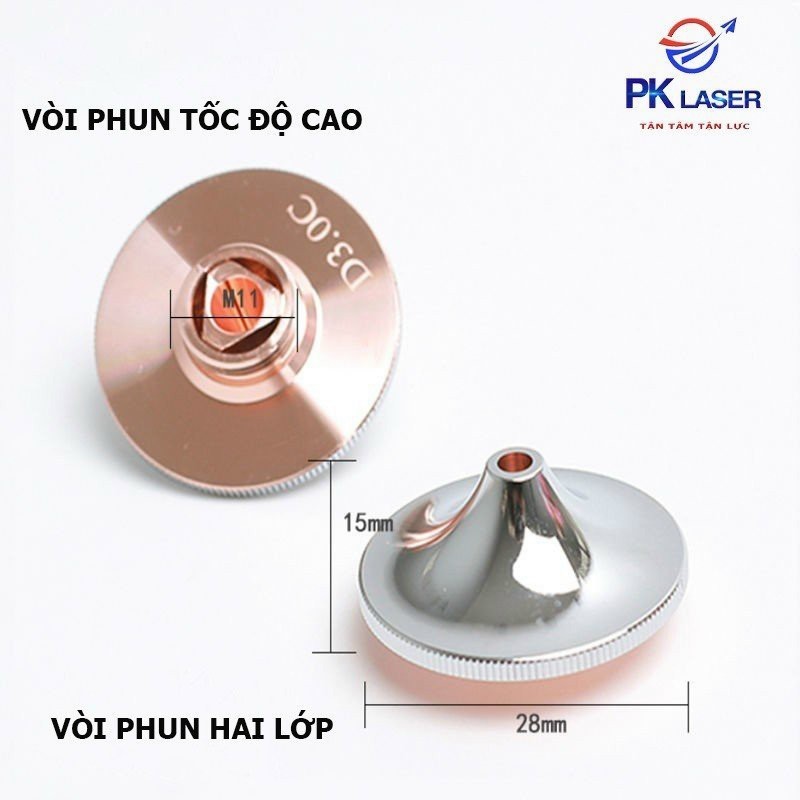
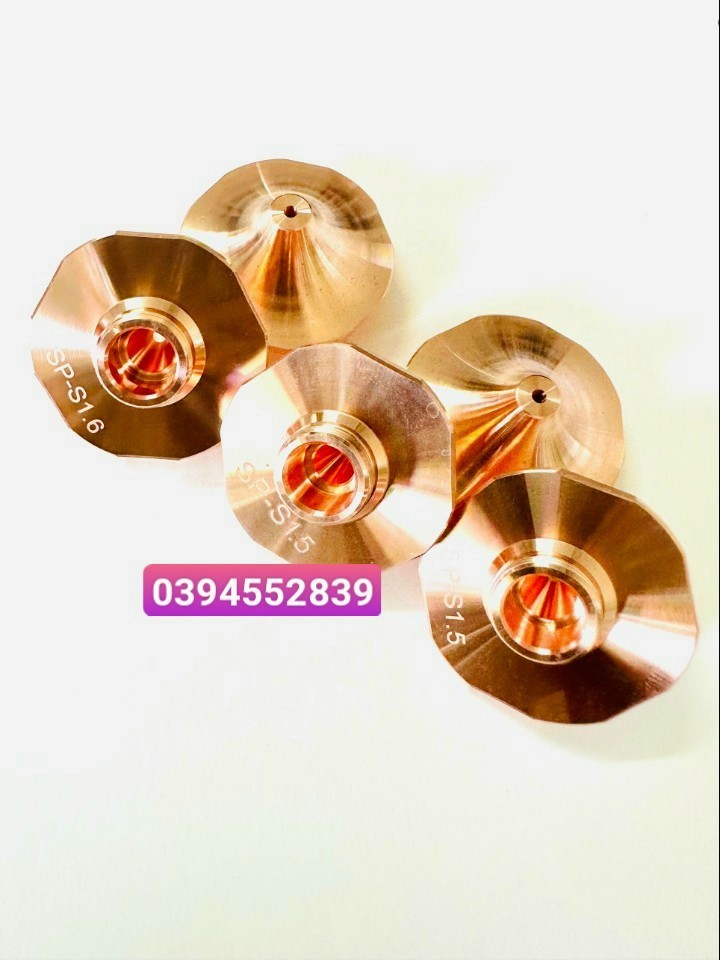
Single-layer and double-layer nozzles have different internal geometries and flow characteristics. Some process charts pair particular nozzle designs with certain materials, gases or cutting speeds, but these pairings are not universal. Check the chart for the exact cutting head, laser source, material and thickness instead of choosing only by the nozzle name.
Choose the bore and design from process data
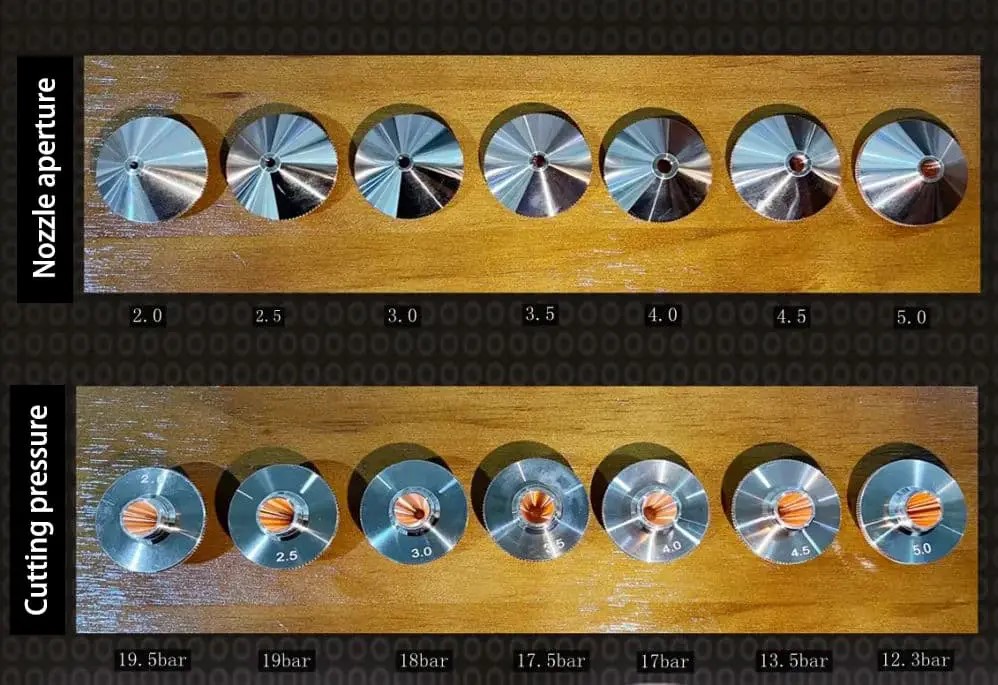
Nozzle bore affects the gas stream and the way molten material is removed. A bore that is too small or too large for the approved recipe can contribute to unstable flow, dross, rough edges or incomplete cutting. A larger bore is not automatically better for thick material, and one diameter should not be applied across different heads.
- Confirm the material and thickness, assist gas, pressure and cutting head.
- Use the machine or head manufacturer’s parameter chart for nozzle type and bore.
- Check that the nozzle material, thread and mounting style match the head.
- Treat example diameters or focus values as model- and process-specific, not as general rules.
Signs the nozzle needs attention
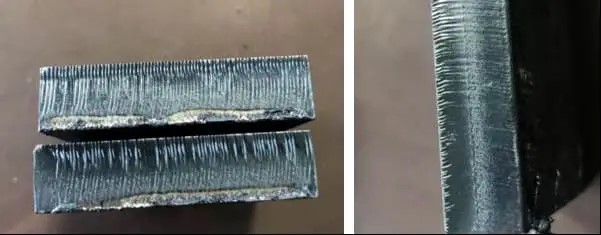
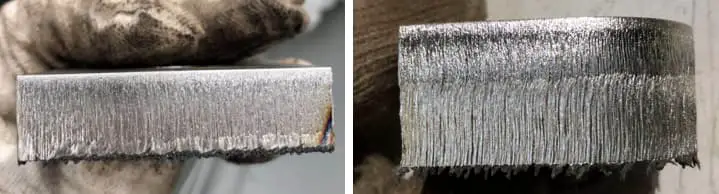
A dented, worn, loose or contaminated nozzle can disturb the gas stream and affect cut quality. Possible symptoms include inconsistent edges, excess dross, incomplete cutting, unstable height readings or a nozzle that shows marks from beam contact. These signs can also have other causes, so inspect the full process.
Check centering safely
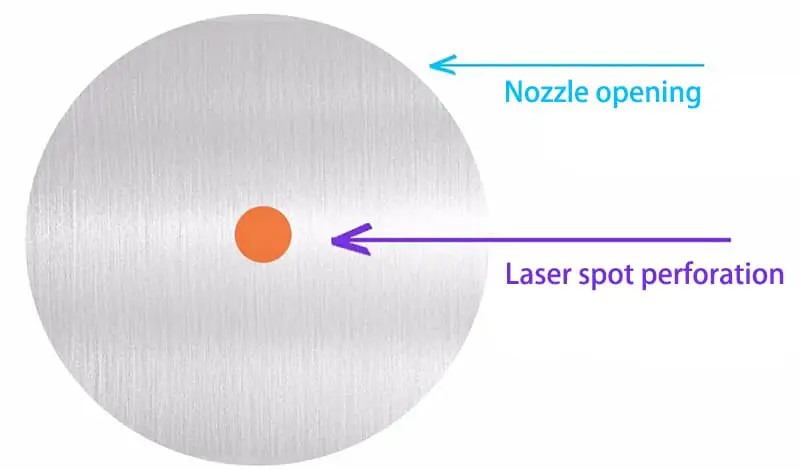
The laser beam and nozzle opening need to be aligned according to the cutting-head maker’s method. A misaligned beam may strike the nozzle wall and damage the nozzle or head. Use only the approved alignment procedure and equipment for that machine. Do not copy a power setting, pulse method or adjustment value from another model. If you are not trained for alignment, ask a qualified technician.
Replace and set up a nozzle
Stop the machine and follow its safety procedure before removing a nozzle. Fit the correct part without cross-threading or forcing it, and tighten it as specified by the manufacturer. After replacement, complete any nozzle, height or capacitance calibration required by the exact head manual, then make a controlled test cut.
Photo suggestion
Photograph the nozzle marking and bore beside the cutting-head model, then include a clear image of the cut edge on the material and thickness used. These details help a technician compare the nozzle with the proper process chart.