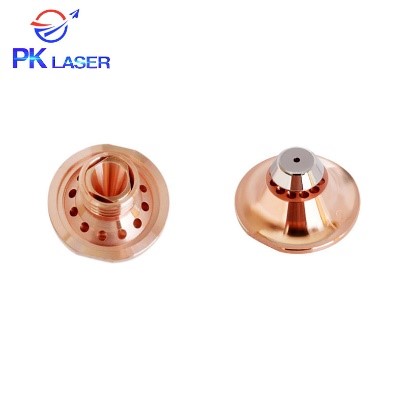
Start with the cutting-head and process chart
Match nozzle type and interface to the exact cutting head, material, thickness, cutting method and assist gas. Use the machine or head maker’s chart; a nozzle that fits mechanically is not automatically suitable for the process.
Understand single- and double-layer designs
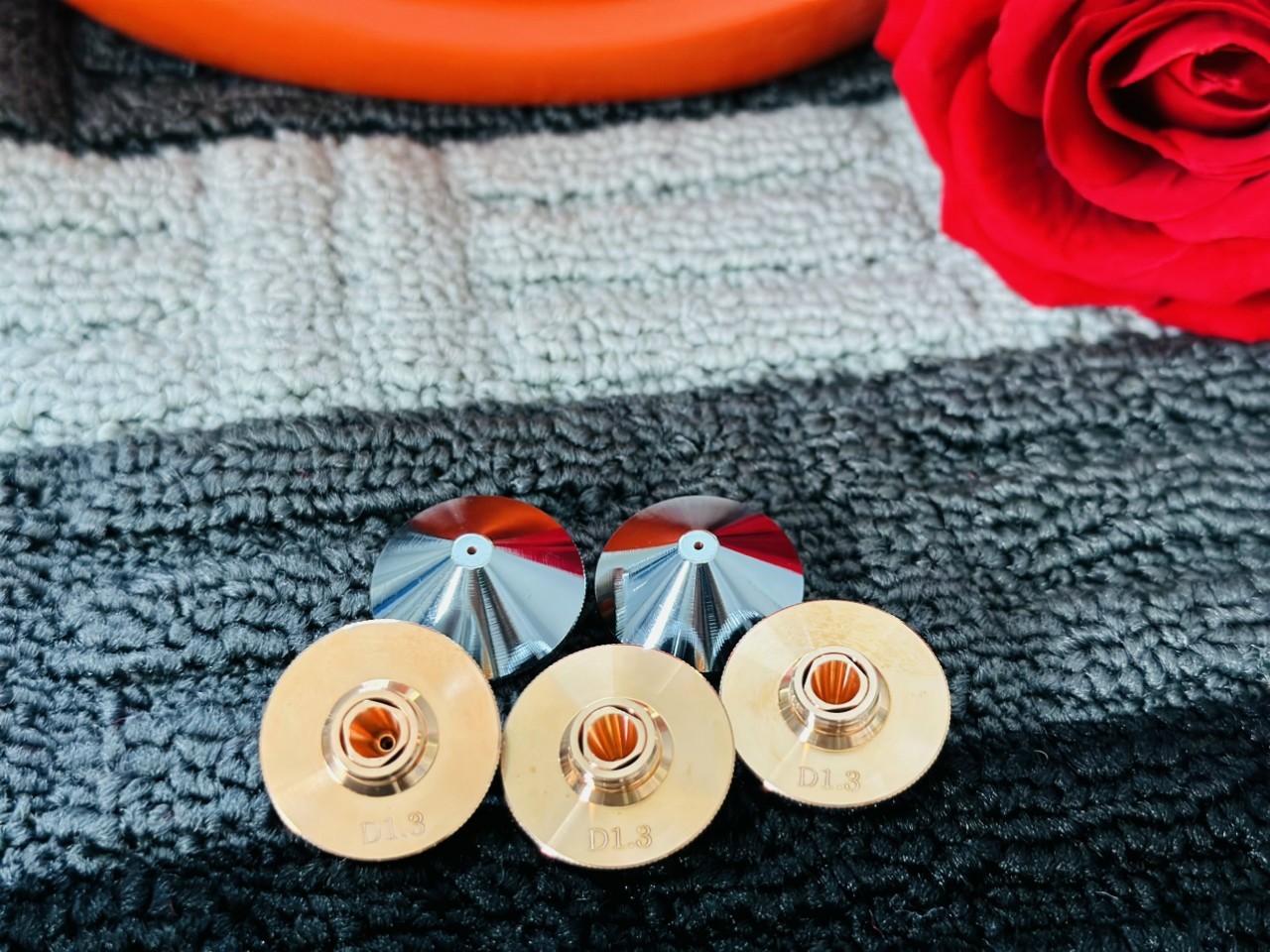
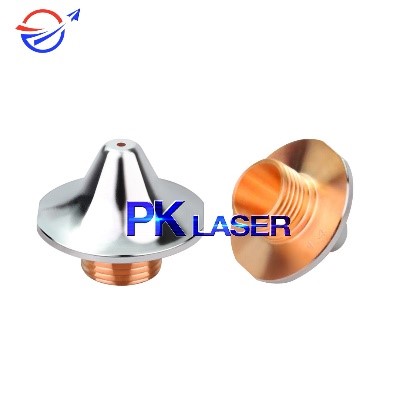
Single- and double-layer nozzles are different designs used in process-specific applications. Do not assume one type is always better or select by label alone. Follow the head maker’s chart for the job and the gas arrangement.
Check bore, centering and condition
A damaged, contaminated, worn or off-center nozzle can disturb the process and may increase the risk of poor cut quality or head contact. Inspect it in the safe state specified by the machine, and verify centering only by the approved procedure.
Avoid choosing “larger” or “smaller” by guesswork
Nozzle bore and geometry influence gas flow, but the correct choice depends on the qualified process recipe. Do not compensate for a cut problem by changing nozzle size without checking material, gas supply, head setup and the machine chart.
Fit and verify it carefully
Use a compatible part, keep mating surfaces clean and follow the specified installation method and torque if provided. After replacement, run the machine’s approved nozzle-centering or calibration routine and a controlled test before production.
Know when to ask for service
Repeated nozzle damage, inconsistent centering, collision marks, damaged ceramic parts or suspected head contamination require investigation. Stop if the head or optics may be affected and contact a qualified technician.