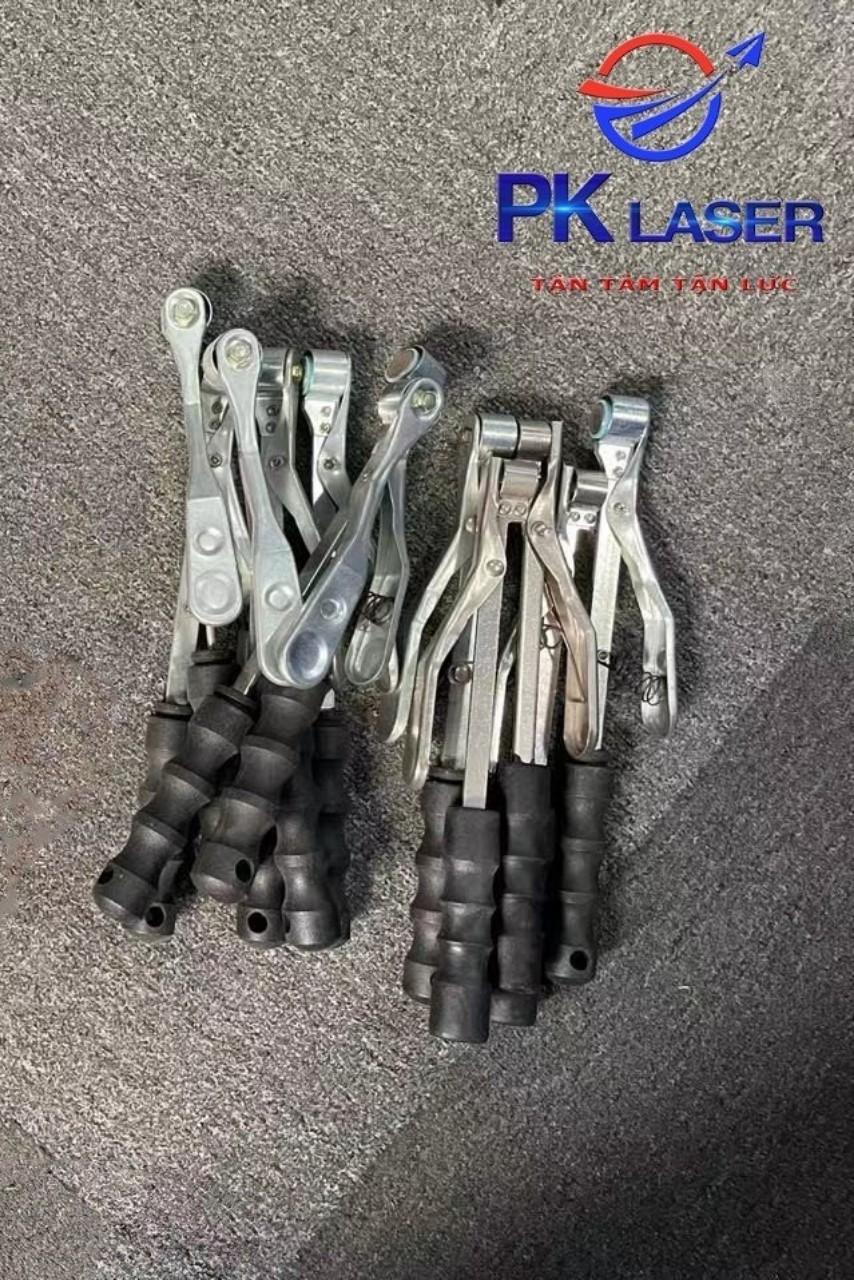
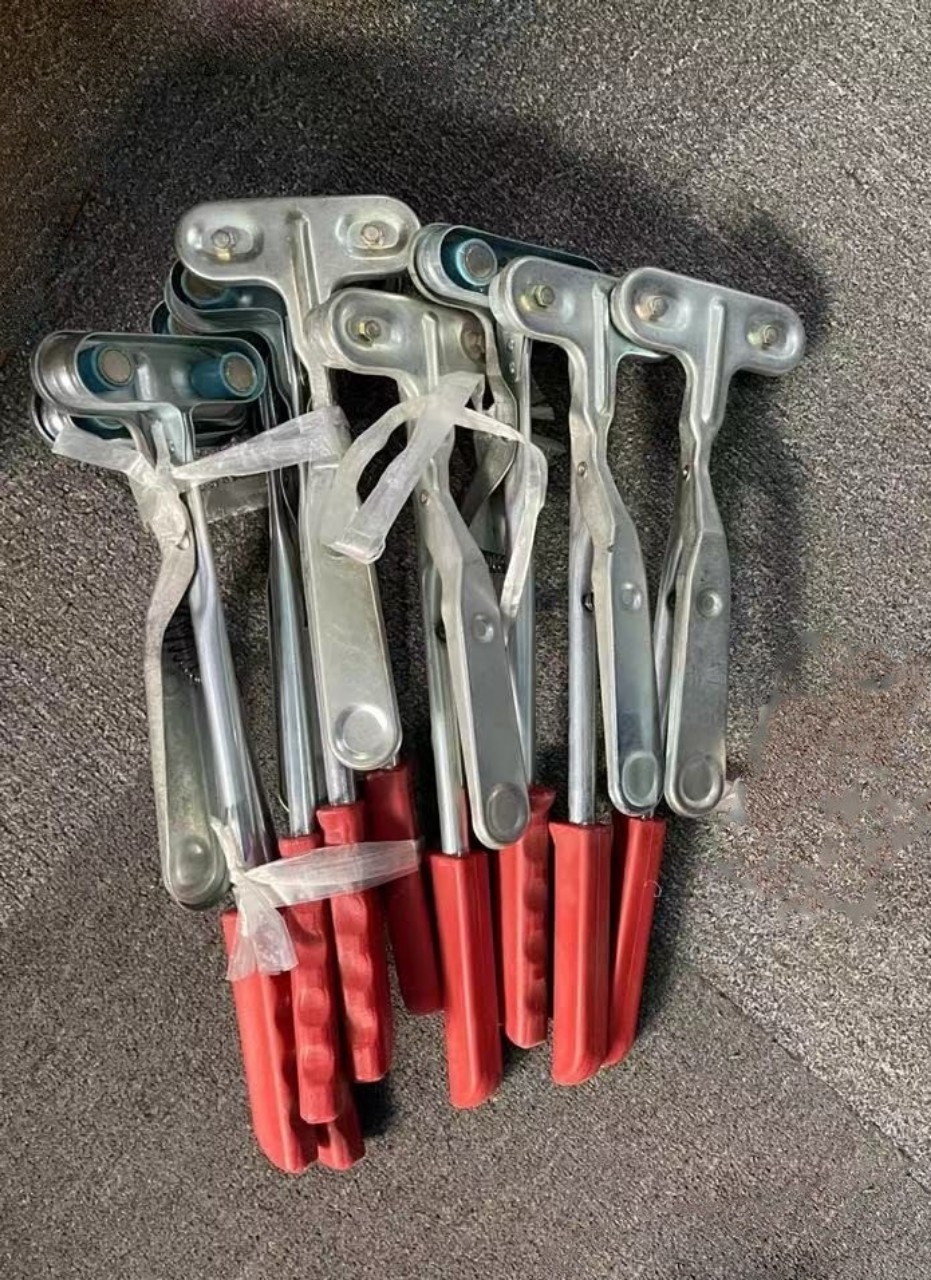
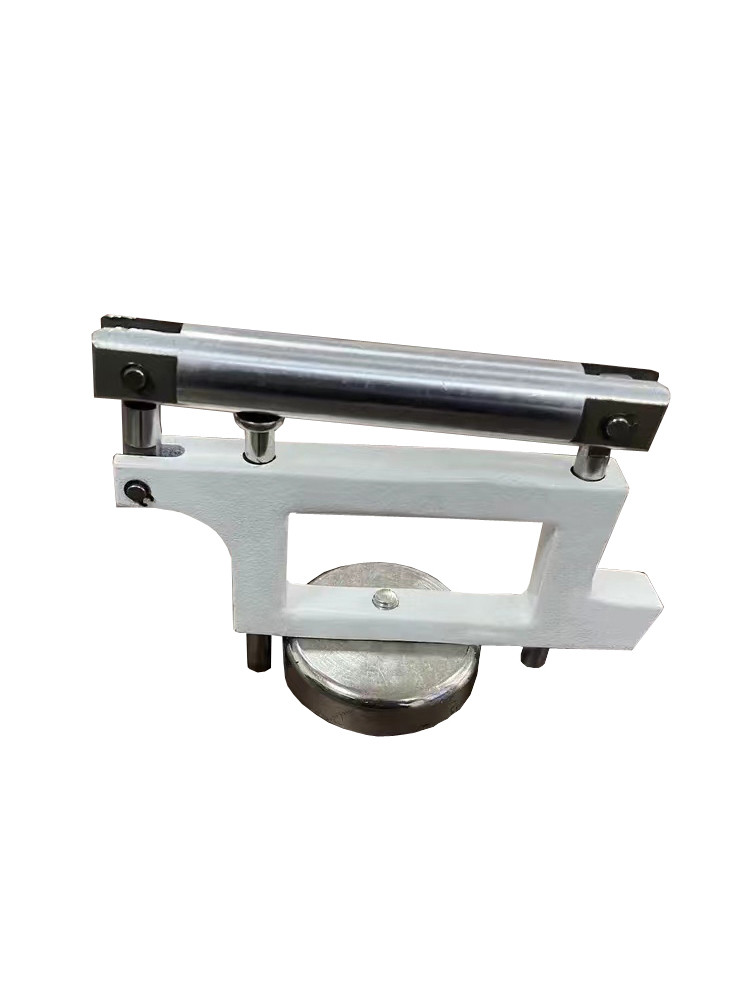
This is a magnetic lifter, not a suction cup
The device described here uses magnetic force to pick up compatible steel parts. It is different from a vacuum suction cup and will not work on every metal or every part shape. Confirm that the material and contact surface are suitable for the exact lifter model.
Choose by the actual part and rated capacity
Check the lifter label and manufacturer manual for rated capacity and permitted operating conditions. Consider the part’s weight, dimensions, thickness, shape, surface condition and how the load will be carried. A rating printed on a tool should not be assumed to apply to every sheet or orientation.
The Vietnamese source page lists conflicting capacity and temperature figures. For that reason, this guide does not repeat those numbers as verified specifications. Confirm the exact model data with its manufacturer or supplier before use.
Why the strongest magnet is not always the best fit
A higher-capacity magnet may hold a small part firmly but can take more effort to release. A sudden release or sliding contact may damage a finished surface or injure the operator. Select a tool for the normal job and follow its release procedure rather than choosing by the largest number alone.
Checks before handling a part
Before each use, inspect the lifter and read its operating instructions. Make sure the load is within the stated rating, the magnet face and workpiece contact area are clean, and the lifter sits flat as intended. Do not use a damaged tool or one with an unreadable rating.
- Use only on material and shapes approved for that lifter.
- Keep hands and feet out from under the load; never allow people to stand beneath a suspended part.
- Do not exceed the rated load or use an unapproved side pull, impact or lifting arrangement.
- Do not handle hot parts unless the exact lifter is rated for that temperature. There is no universal temperature limit for all models.
Use the manufacturer’s procedure
Position, engage, move and release the lifter exactly as its manual specifies. Keep the part controlled and close to a stable surface while following the approved handling method. If the load shifts, the magnet does not seat properly, or the tool’s condition is uncertain, stop and set the part down safely.
Photo suggestion
Use a clear workshop photo showing the exact lifter model and its rating label, the compatible steel part, and the tool seated flat before lifting. Do not stage a suspended load over a person.
Ask PK LASER to confirm compatibility
Send a photo of the lifter label and the part you need to handle. PK LASER can help check the model information and direct you to the correct manufacturer instructions. Do not rely on an unverified capacity figure for lifting.