1. Check the welding circuit and connections
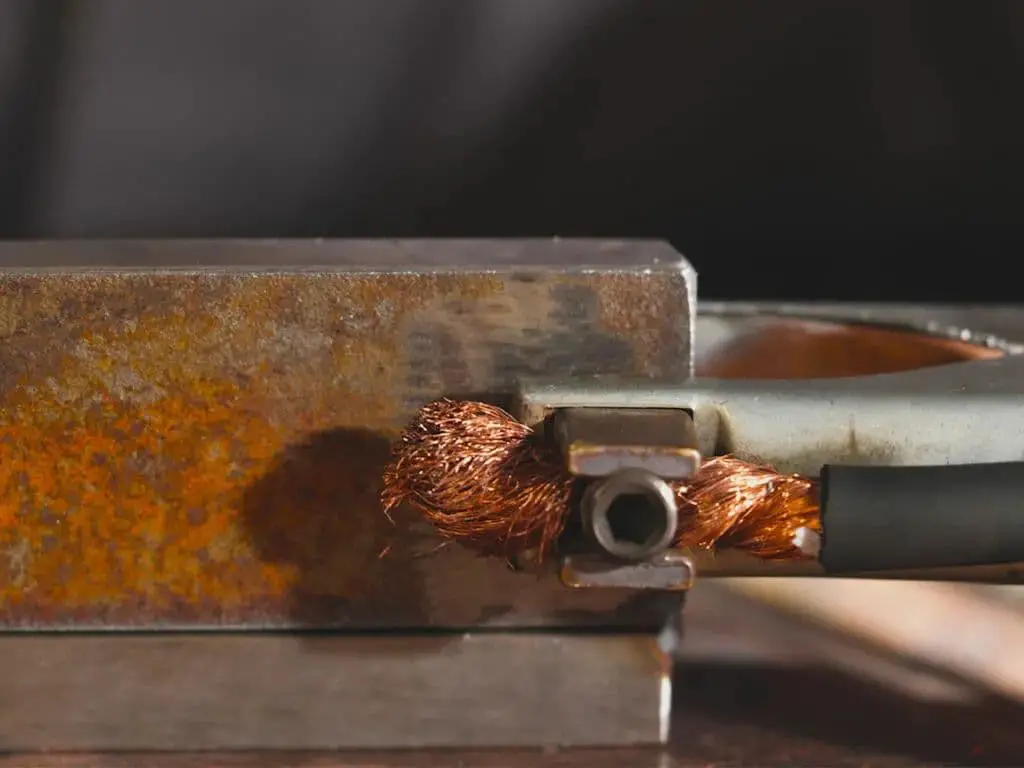
A stable welding circuit supports a consistent arc. Inspect the torch connection, work return lead and clamp as directed by the equipment maker. Isolate the power source before maintenance, and have an electrician or qualified technician address damaged cables or connections.
2. Keep wire feed smooth
For wire-fed processes, check that the liner, contact tip, drive rolls and wire spool match the wire and welding system. Avoid sharp bends in the torch lead and set drive-roll pressure according to the equipment instructions. Unsteady wire feed can contribute to arc instability and spatter.
3. Use the specified shielding gas
Gas type, mixture, flow and torch setup must match the process, material and welding procedure. Check the gas supply, regulator, hose and connections for leaks or restrictions. Do not use a universal flow rule; excessive or insufficient flow can both affect shielding.
4. Inspect and replace consumables
Worn or incorrect contact tips, nozzles and other consumables can make the arc less stable. Use parts approved for the torch and process, inspect them regularly, and replace damaged or worn parts according to the manufacturer’s instructions.
5. Follow qualified welding settings
Current, voltage, wire-feed speed, travel speed and transfer mode interact. Use the qualified welding procedure for the material, thickness, joint and position. Do not change power or transfer mode based on a general spatter tip; confirm changes with a test weld and the responsible welding technician.
6. Prepare the workpiece and handle coatings safely
Remove oil, dirt, rust and other contaminants using an approved preparation method. Coated or galvanized materials can create hazardous fumes when welded; follow the material safety information, ventilation requirements and qualified procedure before working on them.
7. Keep torch movement and the work area consistent
Torch angle, arc length, travel speed and movement technique should follow the welding procedure for the joint. Keep the work area free from drafts that disturb shielding gas, while maintaining the required fume extraction and room ventilation. Do not adopt a universal torch angle or push/pull method for every process.
8. Investigate recurring heavy spatter
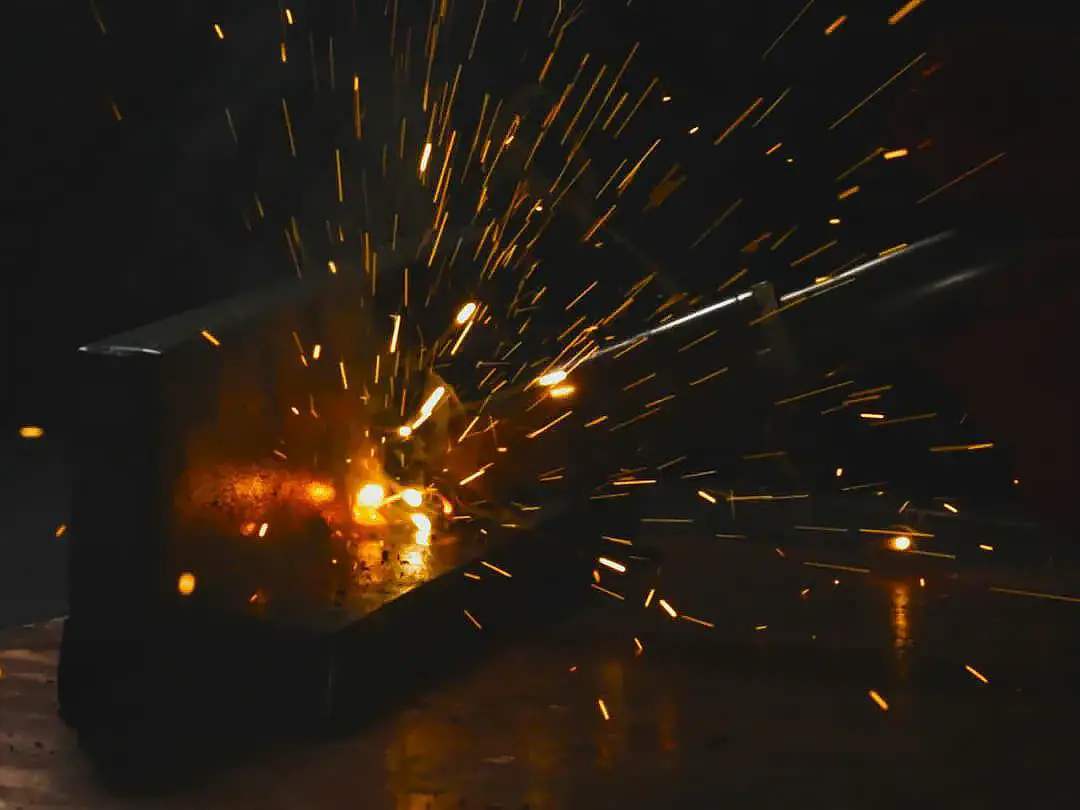
If spatter remains excessive, document the material, wire, gas, consumables and machine settings. Check for wire-feed or electrical faults and have a qualified welder review the procedure. Compatible low-spatter process modes may be available on some power sources, but they must be validated for the application.
Photo suggestion
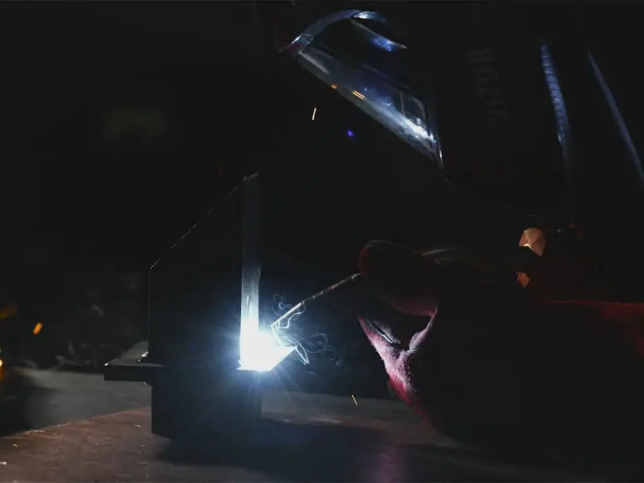
Use a workshop photo showing the torch, wire and workpiece setup, together with a close-up of a sample weld before and after an approved adjustment. Include the material and process used.